About
Forest. Farm. Table. Retreat.
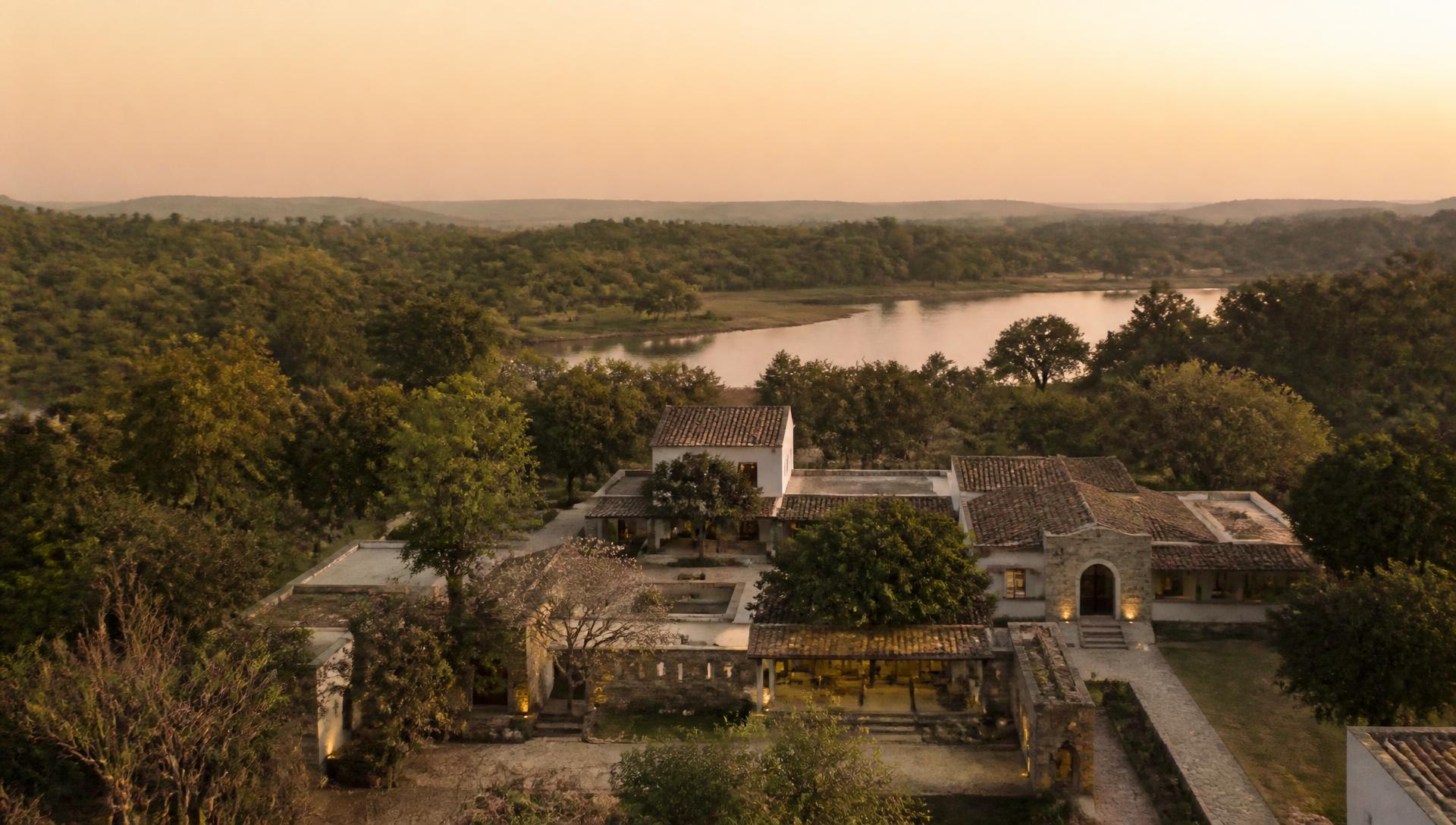
Sjain Estates began as family land near Raipur. It is becoming a place where growing food, making food and receiving guests are the same act.
Philosophy
Hospitality that begins in the soil
Most estates buy their food and decorate with agriculture. We inverted it: the farm came first, and the six retreats exist because people kept asking to stay long enough to eat properly.
Every decision is tested against one question — does it close the loop or open it? Compost returns to the block it came from. Whey goes back to the herd. Guest numbers stay at six because that is what the kitchen garden can carry without buying in.
We publish batch records not because a certification body asks, but because a place that cannot show its own workings has something to hide. Anything we did not grow or make is labelled estate-selected, with the grower named.
Sustainability
The loop, in seven steps
Forest
Native canopy holds soil, water and shade.
Farm
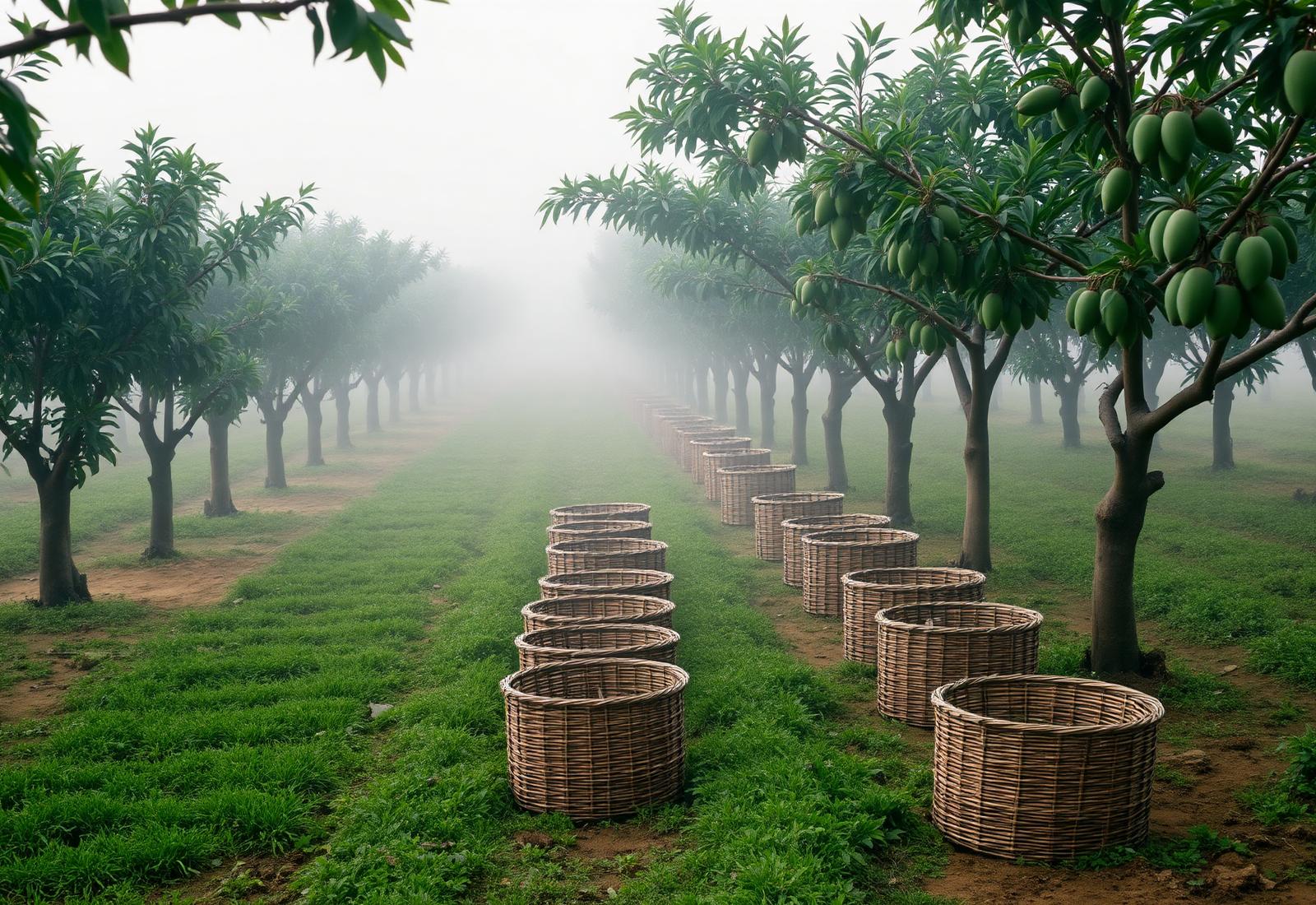
Rotation, mulch and compost replace inputs.
Dairy
Herd fed on estate fodder; manure returns to beds.
Processing
Small batches, solar-assisted drying, glass over plastic.
Kitchen
Whole-produce cooking; trim becomes stock or compost.
Guests
Six retreats only — low density by design.
Soil
Everything organic returns to the land it came from.
0%
Irrigation under drip
0
Calendar spraying
0%
Organic waste composted
0
Guest retreats, capped
People & Region
Built with Chhattisgarh, not on top of it
Most of the team lives within fifteen kilometres. Skills — dairy, milling, preserving, hospitality — are trained on the estate and stay in the district.
Local employment
48 full-time roles and seasonal harvest teams from neighbouring villages.
Craft and heritage
Terracotta, bell-metal and weaving traditions shown, sold and paid for fairly.
Grower network
Estate-selected goods bought from named farms on published terms.